Key takeaways
- Rough plaster, stains, loose tiles and falling water levels are the main signs a pool needs attention.
- Find the leak before resurfacing — a new finish over an active crack will fail.
- Resurfacing typically takes 1–3 weeks, including draining, preparation, finishing and refilling.
- Water features need the same waterproofing and pump discipline as the pool itself.
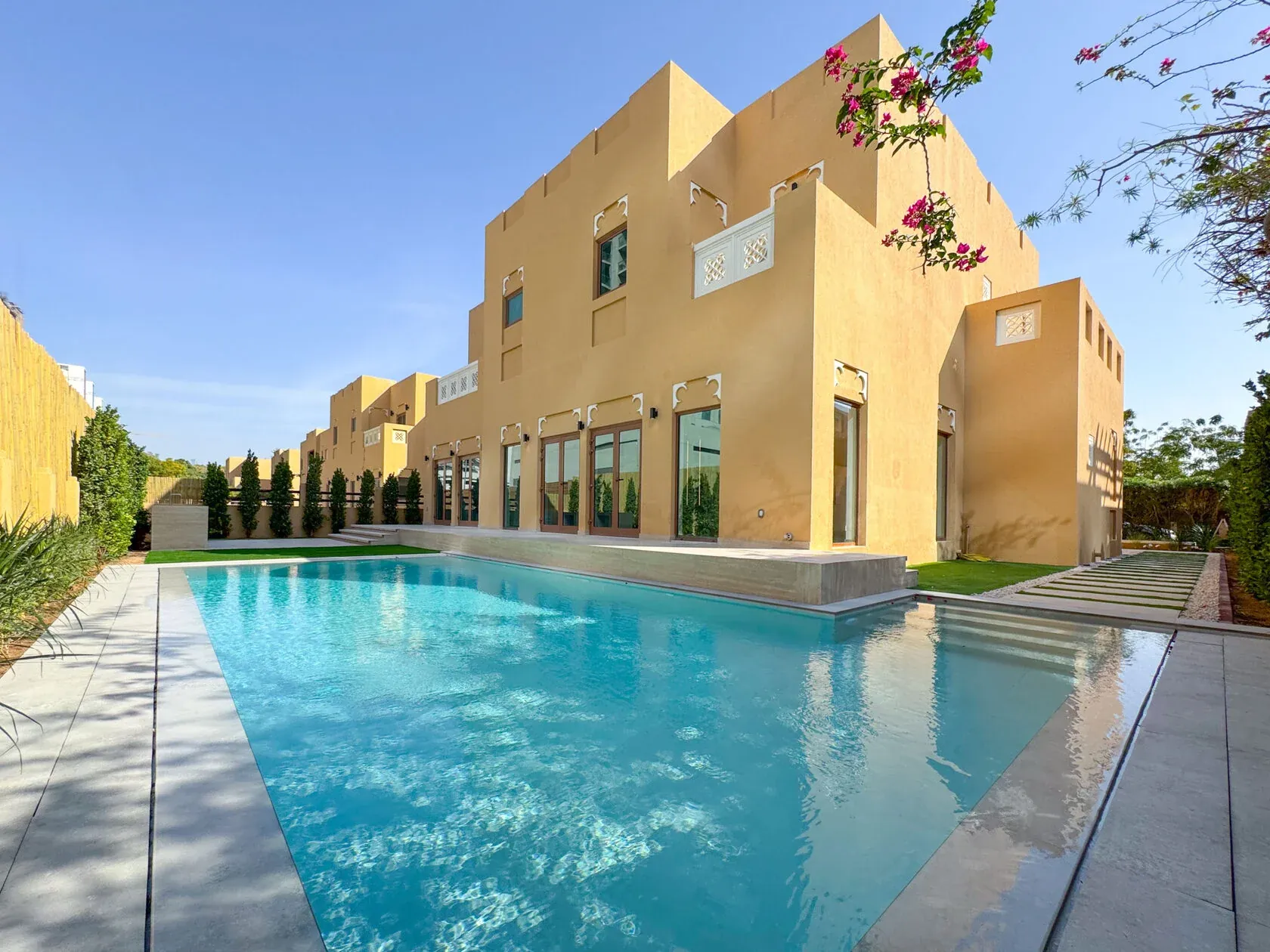
Pools in Dubai age faster than pools in cooler climates: intense UV, high water temperatures and chemical dosing wear finishes out, and a pool should be inspected for leaks before any resurfacing. Treating the cause first is what keeps a repair from being repeated.
Signs your pool needs work
- Rough or chalky plaster, staining or visible etching
- Loose, hollow-sounding or cracked waterline tiles
- Water level dropping faster than evaporation explains
- Cloudy water despite correct chemistry
- Wet patches, subsidence or cracks in surrounding decking
- Pumps cycling noisily or leaking at fittings
Step 1: Diagnose
A bucket test is the quick check; a pressure test of pipes and a dye test around fittings locate the leak precisely. Cracks are measured and classified as cosmetic or structural before a repair method is chosen.
Step 2: Repair the structure
Cracks are opened, sealed with a suitable flexible or structural repair system and, where needed, re-waterproofed. Hollow tiles are removed and relaid with adhesive and grout rated for permanent immersion. Leaking pipework is replaced, not patched, whenever access allows.
Step 3: Resurface
Common finishes include:
- Tile or mosaic: durable and colourfast, higher initial cost
- Quartz or pebble plaster: hard-wearing, textured and comfortable
- Standard plaster or paint: economical, shorter lifespan
The old surface is stripped or prepared, a bonding coat applied and the new finish cured before refilling and balancing the water.
Step 4: Equipment and water care
Resurfacing is the right moment to upgrade pumps, filters, LED lights and automated dosing. Efficient variable-speed pumps reduce electricity use year-round.
Water features and fountains
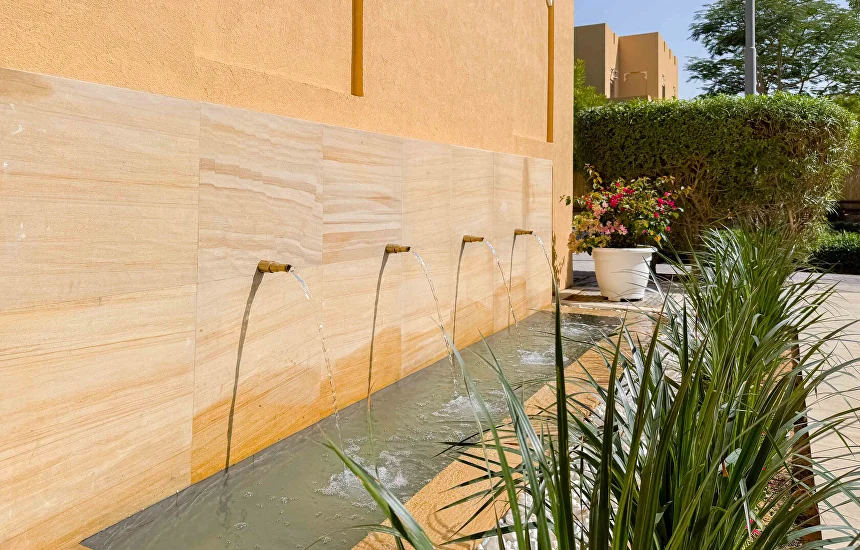
Wall features, spillways and courtyard fountains are small pools: they need waterproofed basins, correctly sized pumps, filtration and accessible maintenance points. Calcium build-up and algae are the usual problems, solved by design — smooth surfaces, easy cleaning access and sufficient water volume.
Plan around the weather
Schedule draining and finishing outside peak summer so coatings cure evenly, and never leave an empty pool exposed to groundwater without checking uplift risk.
If a pool is part of a wider upgrade, our villa renovation team can coordinate decking, lighting and landscape in one programme.
FAQ
How do I know if my pool is leaking?
A bucket test compares water loss in the pool and in a bucket placed on a step over 24 hours. If the pool drops more than the bucket, a leak is likely in the shell, pipework or fittings and should be pressure-tested.
How often should a pool be resurfaced?
It depends on the finish and water care. Plaster commonly needs renewing after roughly 8–12 years, tile and pebble finishes can last longer. Rough texture, staining and etching signal it is time.
Can a pool be repaired without draining it?
Equipment, lighting and some tile repairs can be done in water. Cracks, resurfacing and structural repairs normally require a drained pool, planned outside the hottest months.